Newborn Sleep Safety: Blankets, Bedding, and Nursery Setup
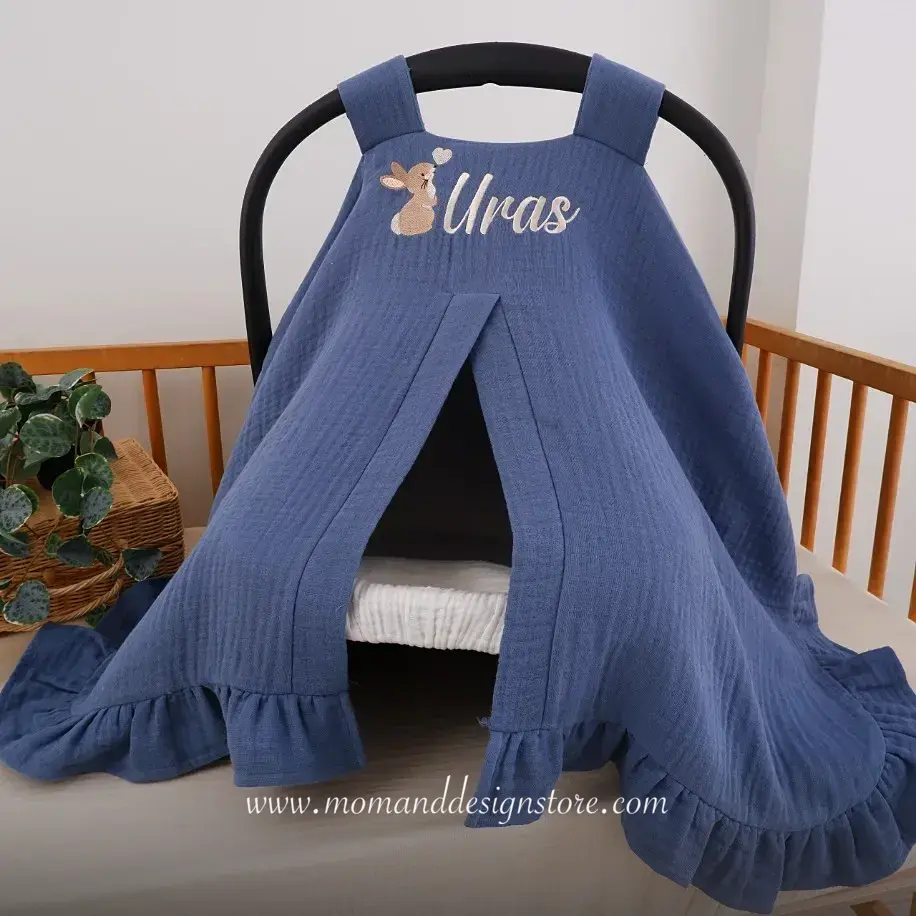
Setting up a calm, secure sleep space is often one of the very first things expecting parents tackle when nesting begins. When you bring your little one home from the hospital, their environment changes dramatically. Sudden temperature shifts, synthetic fibers against delicate skin, and an overcrowded crib can quickly cause discomfort. Newborn sleep safety begins with understanding the physical vulnerabilities of a brand-new baby and choosing simple, well-crafted textiles that keep their sleep environment peaceful and breathable.
At Mom & Design, our small atelier has spent years cutting, stitching, and finishing baby textiles by hand. We talk to parents every day who are building their baby registry or packing their hospital bag, and their questions are often the same: How do I dress the crib? Which fabrics are safe? How do I prevent my baby from getting too warm through the night?
Here is what you need to know about setting up a safe, restful sleeping environment for your baby.
Understanding newborn skin and why natural fibers matter
A newborn's skin is about five times thinner than an adult's. It absorbs moisture quickly, loses hydration easily, and struggles to regulate temperature when trapped under artificial materials. Synthetic fabrics such as polyester or acrylic trap heat and perspiration against the skin, which can lead to heat rash, restlessness, and nighttime discomfort.
Because newborns cannot kick off excess layers or tell you when they are overheated, their sleep textiles must do the breathing for them. In our atelier, we work exclusively with four-layer cotton muslin and combed cotton jersey.
- Four-layer cotton muslin features an open, airy weave that allows continuous airflow while trapping just enough gentle warmth between its layers.
- Combed cotton jersey is exceptionally smooth and soft, free from the short, scratchy fibers that irritate sensitive skin.
- Neither fabric contains synthetics, which means they support natural body temperature regulation rather than fighting against it.
- Instead of stiffening or pilling over time, pure cotton muslin softens with every single wash, becoming gentler against fragile skin as the weeks go by.
When choosing items for your baby registry or crib setup, prioritizing breathable, unblended cotton is one of the most effective ways to protect delicate skin and prevent overheating.
Setting up the crib: sizing, blankets, and safe layers
A safe sleep space for a newborn should always remain uncluttered, firm, and clean. Keeping loose, heavy items out of the crib is a foundational rule of newborn sleep safety.
Standard crib bedding sized at 23.6 × 47.2 in (60 × 120 cm) should fit snugly over a firm mattress without bunching or sliding loose. If you choose to use a lightweight blanket for supervised naps or light layering, dimensions matter. Our standard blanket measures 35.4 × 35.4 in (90 × 90 cm), a versatile square designed to cover baby comfortably without creating excessive bulk.
When layering your baby for sleep:
- Position your baby with their feet near the bottom of the crib ("feet to foot" position).
- Use a breathable blanket, tucked firmly under the sides and bottom of the mattress so it cannot ride up over baby's face.
- Keep the blanket level no higher than your baby's chest.
- Avoid thick quilts, duvets, and bumpers. While decorative pillows measuring 11 × 15 in (28 × 38 cm) or play mats measuring 43.3 × 43.3 in (110 × 110 cm) are wonderful for nursery decor, nursing support, and tummy time play, the crib itself should remain clear of loose pillows and plush toys during unsupervised sleep.
Managing room temperature and seasonal clothing
Babies generally sleep best in a room kept between 68 °F and 72 °F (20 °C to 22 °C). While it is tempting to bundle an infant in thick layers during cooler months, overheating poses a real risk to infant well-being.
Because babies have poor peripheral circulation, their hands and feet often feel cooler to the touch than the rest of their body. To check your baby's actual temperature:
- Place your hand gently on the back of their neck or on their chest.
- Their skin should feel comfortably warm and dry, not damp or clammy.
- If their chest feels hot or sweaty, remove a layer immediately.
For nighttime sleep, dressing your baby in a light combed cotton jersey onesie or a coming-home set piece beneath a four-layer cotton muslin blanket provides optimal thermal balance. Cotton allows excess heat to escape into the room while maintaining a consistent pocket of warmth around their torso.
Textile care: keeping sleep surfaces soft and clean
Newborn sleep surfaces require frequent laundering. Between spit-ups, diaper leaks, and everyday milk dribbles, your crib bedding and blankets will visit the laundry room regularly.
Caring for pure cotton textiles does not require complicated routines:
- Machine wash at 30 °C (86 °F) using a gentle cycle.
- Use a mild, unscented baby-safe detergent that protects both skin and fabric fibers.
- Never use chlorine bleach or harsh chemical stain lifters, as chemical residues linger in fibers and irritate sensitive skin.
- Lay flat to dry in a well-ventilated space, or tumble dry on the lowest, gentlest heat setting.
Following these straightforward wash guidelines preserves the structure of four-layer cotton muslin, ensuring the fabric retains its soft texture and natural breathability wash after wash.
Planning your nursery textiles in advance
Every nursery item from Mom & Design is made to order in our small atelier. Nothing sits pre-sewn on warehouse shelves; each piece is individually cut, tailored, and finished after your order is confirmed.
Parents can choose a custom name embroidery, select an embroidery motif, and pick their preferred thread color completely free of charge. Because our artisans make each item by hand, preparation takes 25-30 days before leaving the atelier. Once finished, orders travel with free worldwide shipping and a personal tracking number.
Because personalized items are crafted exclusively for your child, they cannot be returned; however, should any production or shipping fault ever occur, we remake the piece free of charge. When planning for your coming-home outfit, crib bedding, or nursery gifts, giving yourself that 25-30 day window ensures every handmade layer is washed, prepared, and tucked into the crib well before baby arrives. Safe sleep begins with simplicity, natural fibers, and thoughtful preparation.
#Newborn Sleep Safety #Crib Bedding #Baby Blankets #Nursery Setup